Business Security in San Jose: What North First Street and Downtown SJ Actually Need
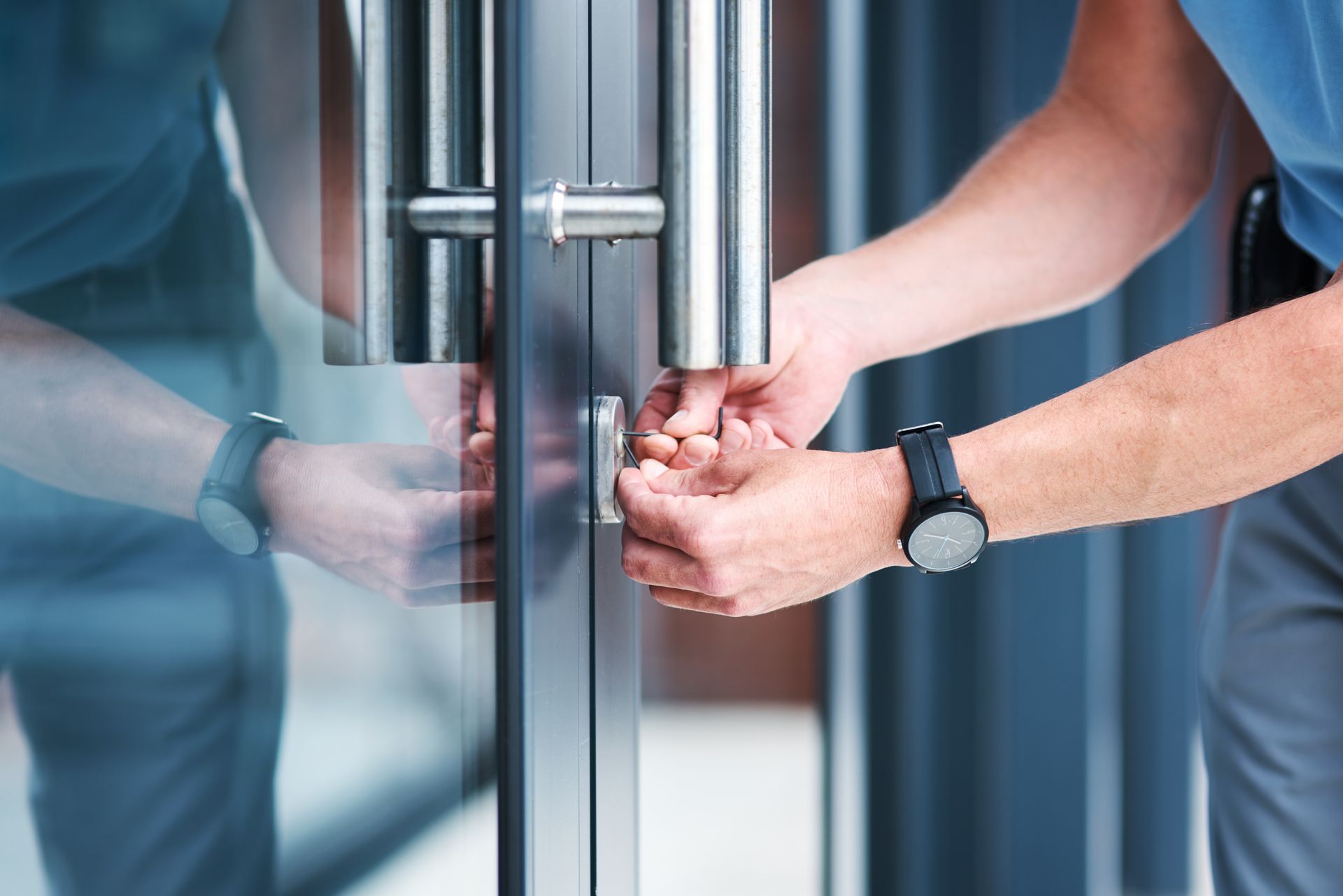
San Jose's commercial real estate spans more property types and industries than any other city in Silicon Valley. A tech campus on North First Street with 2,000 employees and a complex master key hierarchy has fundamentally different security requirements from a Santana Row restaurant managing seasonal staff access or a Berryessa warehouse with shift workers and loading dock access points. Getting commercial locksmith service right starts with understanding which problems your specific property actually has — not what's generic to 'commercial security.'
This guide breaks down what each of San Jose's major commercial districts needs from a locksmith, and the principles that apply across all of them.
North First Street Tech Corridor: Scale and Key Control
The North First Street corridor — running from the US-101 interchange north through Alviso — houses some of the densest concentration of tech campuses, R&D facilities, and corporate headquarters in California. Properties here typically manage access across multiple buildings with hundreds or thousands of employees, requiring security architectures that standard commercial locks can't provide.
The specific challenges for North First Street properties:
- Master key hierarchies across multiple buildings — a grand master for facilities management, sub-masters for department heads, individual keys for employees, and potentially contractor-level restricted access. Designing and maintaining this hierarchy requires a commercial locksmith with specific expertise in large-scale systems.
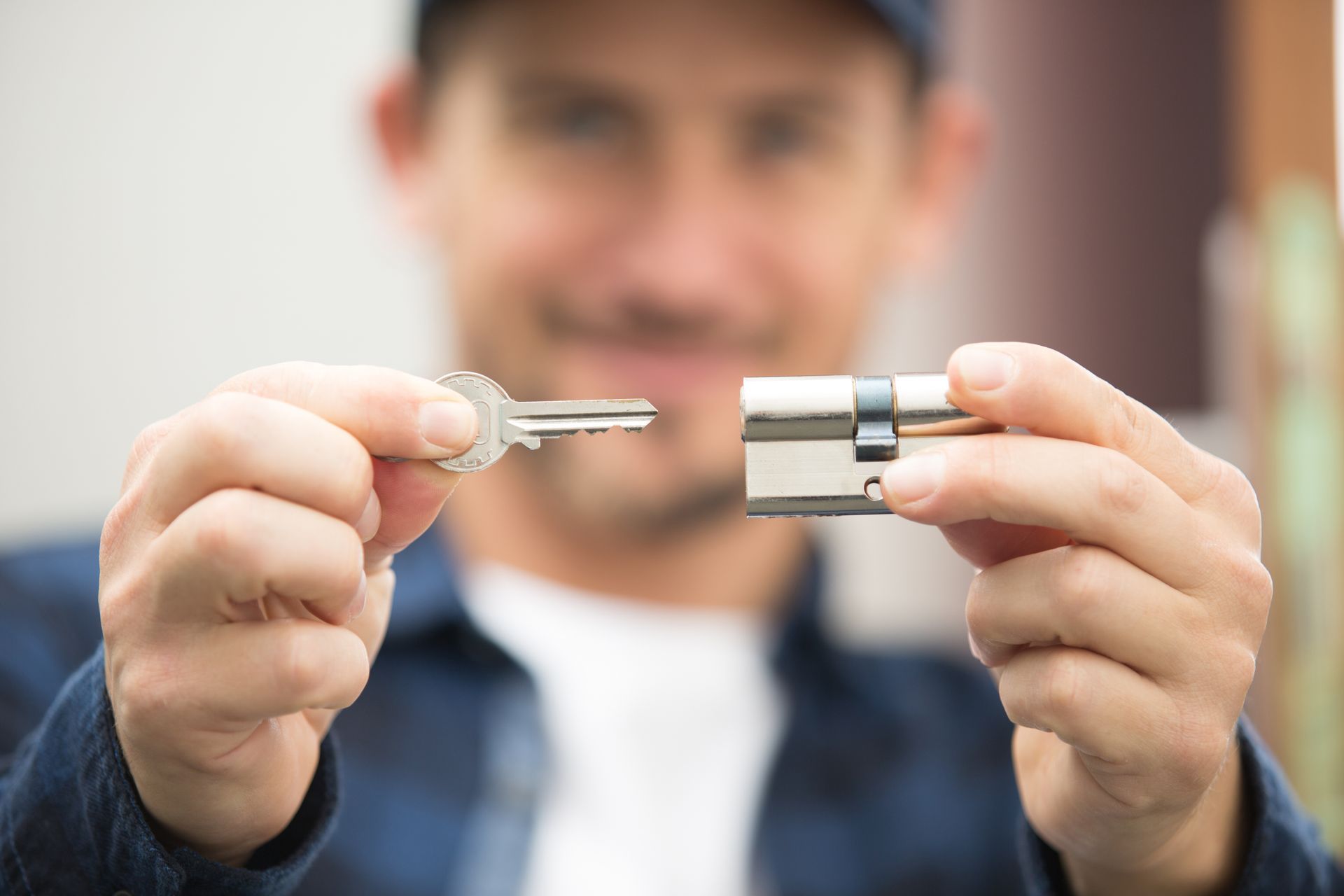
- Restricted keyways for key control — in a campus environment where employees come and go frequently, keys must not be duplicable at a hardware store. Medeco, Mul-T-Lock, and ASSA Abloy restricted keyway systems are the standard. Every key issued is documented; every departure triggers a record of keys outstanding.
- Rekeying on staff departure — tech companies with quarterly hiring cycles and regular restructuring need rekeying processes that keep pace with headcount changes. For larger campuses, this typically means a managed rekeying program rather than ad-hoc calls.
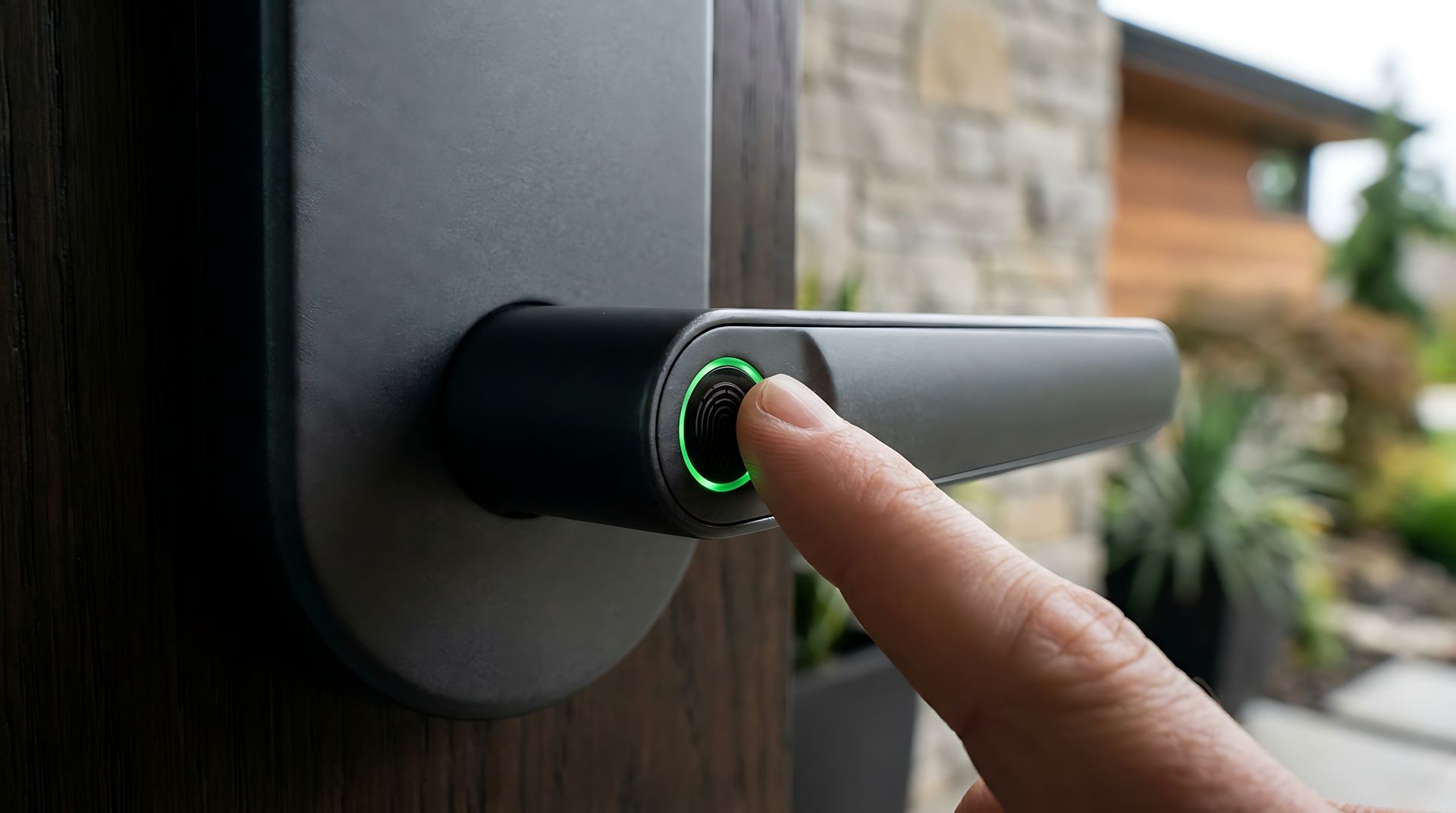
- Electronic access control integration — many North SJ campuses are transitioning from physical master key systems to electronic access for primary building entries. This transition requires a locksmith who understands both physical cylinder hardware and electronic system compatibility, since most buildings run a hybrid during the transition period.
Downtown San Jose: Multi-Tenant Office Buildings
Downtown SJ's office towers, government buildings, legal firms, medical offices, and SJSU campus district create the classic multi-tenant building security challenge: how to give building management access to all spaces while ensuring individual tenants have security from each other and from former employees.
For Downtown SJ commercial properties, the relevant priorities are:
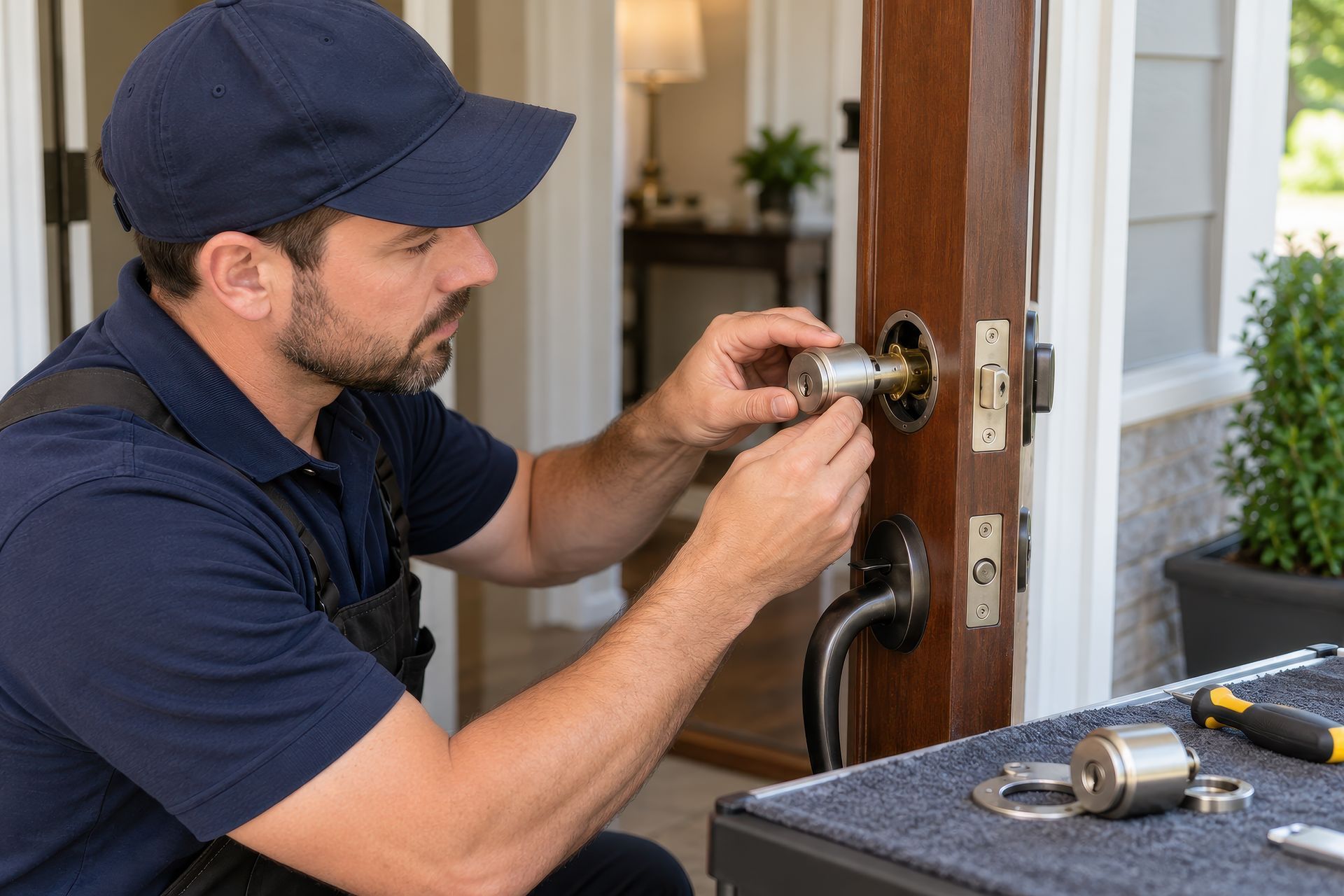
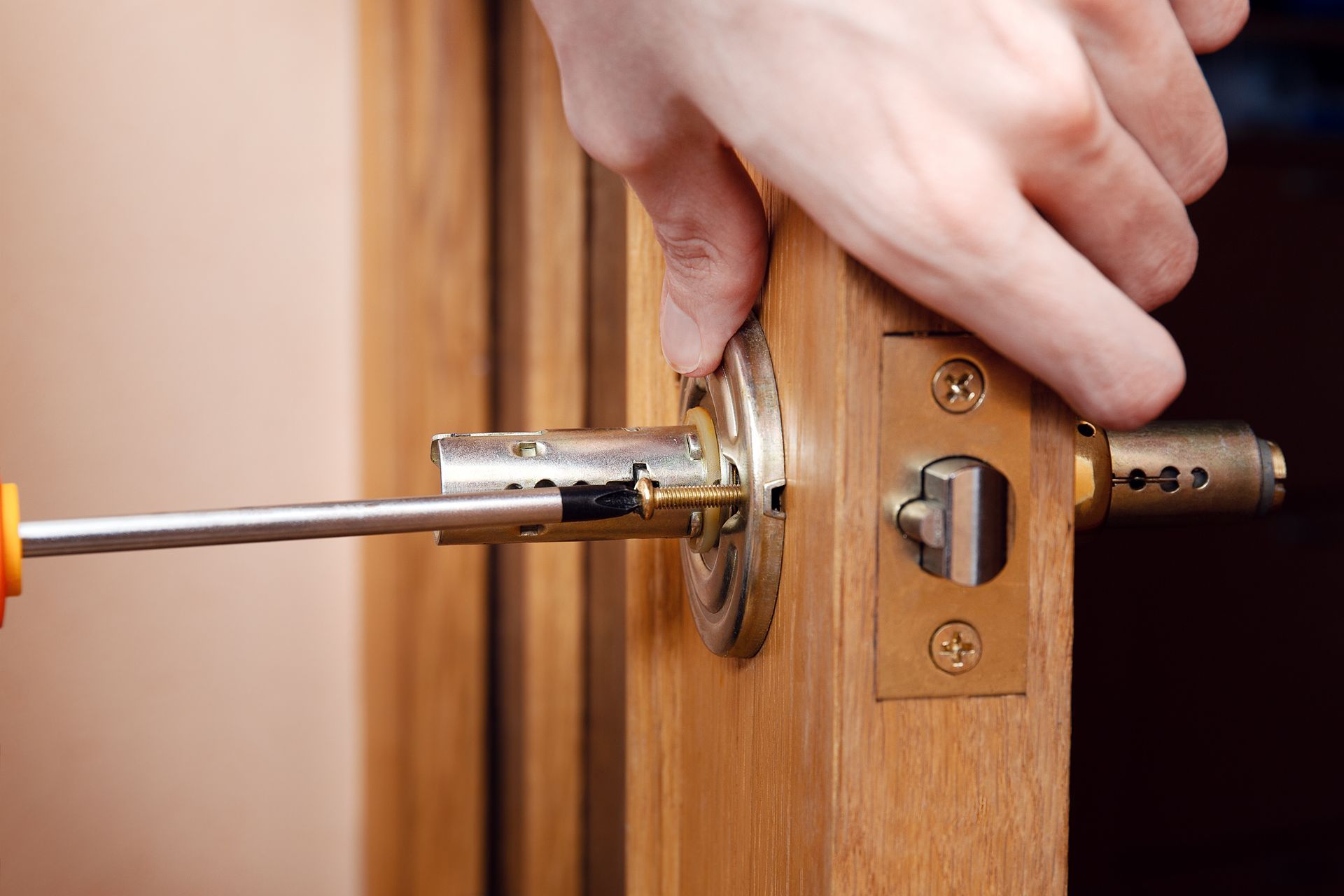
- Tenant rekeying between leases — when a tenant vacates, their suite must be rekeyed within the building's master key hierarchy. This is not the same as replacing locks — rekeying changes the pins so outgoing tenant keys stop working while the building's grand master system stays intact.
- Compliance documentation — law firms, medical offices, and financial services tenants in Downtown SJ buildings are frequently subject to lease terms or industry regulations requiring documented key control. High-security restricted keyway systems provide an auditable record.
- Emergency commercial lockout coverage — a staff lockout at a legal firm before a 9 a.m. hearing or a medical office before morning appointments is a lost-revenue situation. 24/7 commercial locksmith coverage is essential for Downtown SJ properties.
Santana Row and West San Jose Retail
Santana Row's mix of luxury retail, restaurants, and residential above commercial presents security challenges specific to high-turnover retail environments: frequent staff changes, cash handling, and premises that are fully public during operating hours and need to be very secure after them.
- Staff turnover rekeying programs — retail and restaurant operations with seasonal staff or high front-line turnover should treat rekeying as a scheduled process tied to staff departures, not a reactive call after an incident. A managed rekeying schedule is more cost-effective and more secure than ad-hoc rekeying.
- High-security deadbolts on rear and service entries — retail break-ins in San Jose, as elsewhere, overwhelmingly target rear doors and service entries rather than front entries. Grade 1 deadbolts with reinforced strike plates on back-of-house entries address the highest-frequency vulnerability.
- Panic hardware compliance — California requires panic hardware on commercial egress doors above certain occupancy thresholds. Recent Santana Row build-outs or use-of-space changes may have created compliance gaps worth checking.
Berryessa and East San Jose Industrial
Berryessa's commercial zones and East SJ's industrial corridor host warehousing, distribution, light manufacturing, and logistics operations — a property type where perimeter security, heavy-duty padlocking, and shift-worker key management are the primary concerns.
- Heavy-duty padlocking — roll-up doors, hasp systems, and external equipment lockout points require padlocks rated for the application. Standard padlocks can be cut with bolt cutters in seconds. Mul-T-Lock and ASSA Abloy padlock lines provide significantly higher resistance.
- Shift-worker key management — operations running multiple shifts need key hierarchies that distinguish supervisor access from floor worker access from contractor access. A simple master key system for a three-shift warehouse costs a fraction of what an electronic system does and handles the same problem.
- 24/7 emergency commercial coverage — shift operations don't wait for business hours. A loading dock lockout at 3 a.m. or a supervisor locked out before a 5 a.m. shift start needs the same immediate response as a daytime commercial call.
What Every San Jose Commercial Property Has in Common
- ANSI Grade 1 is the minimum — Grade 2 and Grade 3 hardware is designed for residential applications. Any primary commercial entry point should carry Grade 1 hardware at minimum.
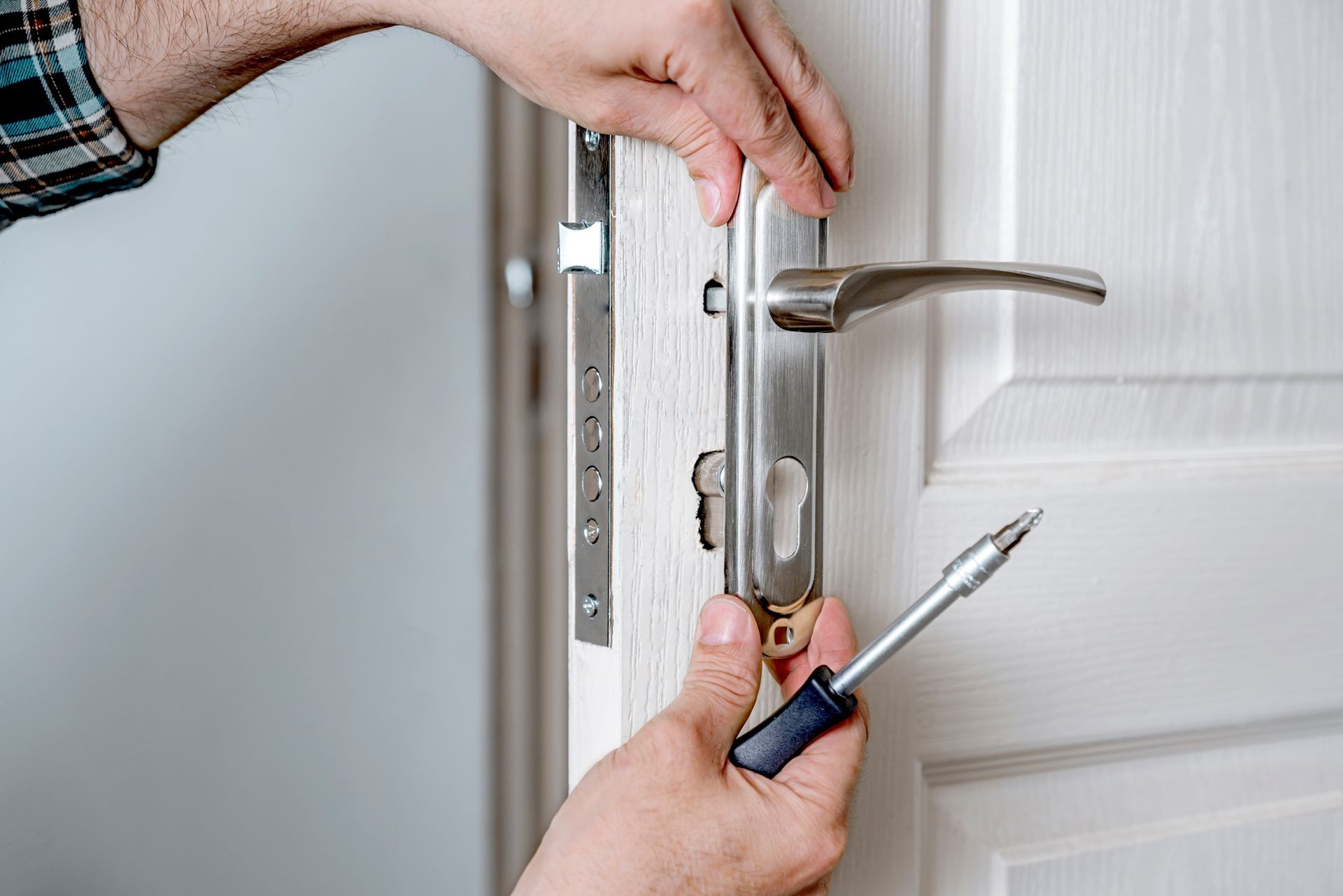
- Rekeying is almost always cheaper than replacement — if hardware is in good condition, rekeying a cylinder costs $25–$75 and takes 15–30 minutes. Full hardware replacement is warranted only when cylinders are damaged, worn beyond reliable function, or below the required security grade.
- Authorized dealer systems for key control — for any San Jose property where key control matters, restricted keyway systems from Medeco, Mul-T-Lock, or ASSA Abloy prevent hardware store duplication and provide a documentable key issuance record.
For commercial locksmith services across all San Jose business districts — master key systems, access control, commercial rekeying, and 24/7 emergency lockout response — see our commercial locksmith San Jose page.
Commercial Locksmith Services Across San Jose
A-A Lock & Alarm Inc. has provided commercial locksmith services to San Jose businesses for over 60 years — from North First Street tech campuses to Downtown SJ office buildings to Santana Row retail. Authorized dealer for Medeco, Mul-T-Lock, and ASSA Abloy.
Call (800) 422-5625 or visit aalock.com/commercial-locksmith-san-jose-ca.