Rekeying Between Tenancies: An Oakland Landlord's Guide
Oakland has one of the highest rental occupancy rates in California — more than 60% of residents rent — and the city's multi-unit housing stock turns over constantly. For property managers and landlords, each tenancy change creates a security obligation that many owners are aware of in principle but often handle inconsistently in practice.
California Civil Code Section 1942.5 establishes landlord habitability obligations that California courts have consistently interpreted to include rekeying between tenancies. This isn't a recommendation — it's a legal baseline. This guide covers what that means for Oakland landlords, what it costs, how to schedule it efficiently, and what happens if it's skipped.
What California Law Actually Requires
California Civil Code Section 1942.5 establishes that landlords must maintain rental properties in a habitable condition. California courts — and many San Francisco and Oakland lease agreements, which now explicitly address the issue — have interpreted habitability to include rekeying between tenancies. The reasoning is straightforward: a property that can be accessed by someone who no longer has a legal right to be there is not fully secure.
Many Oakland lease agreements now include an explicit rekeying clause, and some require the landlord to provide documentation that rekeying was performed before the new tenant moves in. If your current lease agreement doesn't address rekeying, consult your attorney about whether your standard lease should be updated.
Liability note: If a former tenant re-enters a property using an unreturned key and causes damage, theft, or harm, a landlord who failed to rekey between tenancies is exposed to significant liability. The cost of rekeying ($50–$150 per unit) is negligible relative to that exposure.
Why Rekeying — Not Lock Replacement — Is the Right Tool
The most common misconception among Oakland landlords is that rekeying and lock replacement mean the same thing. They don't, and the distinction matters for both cost and practical security.
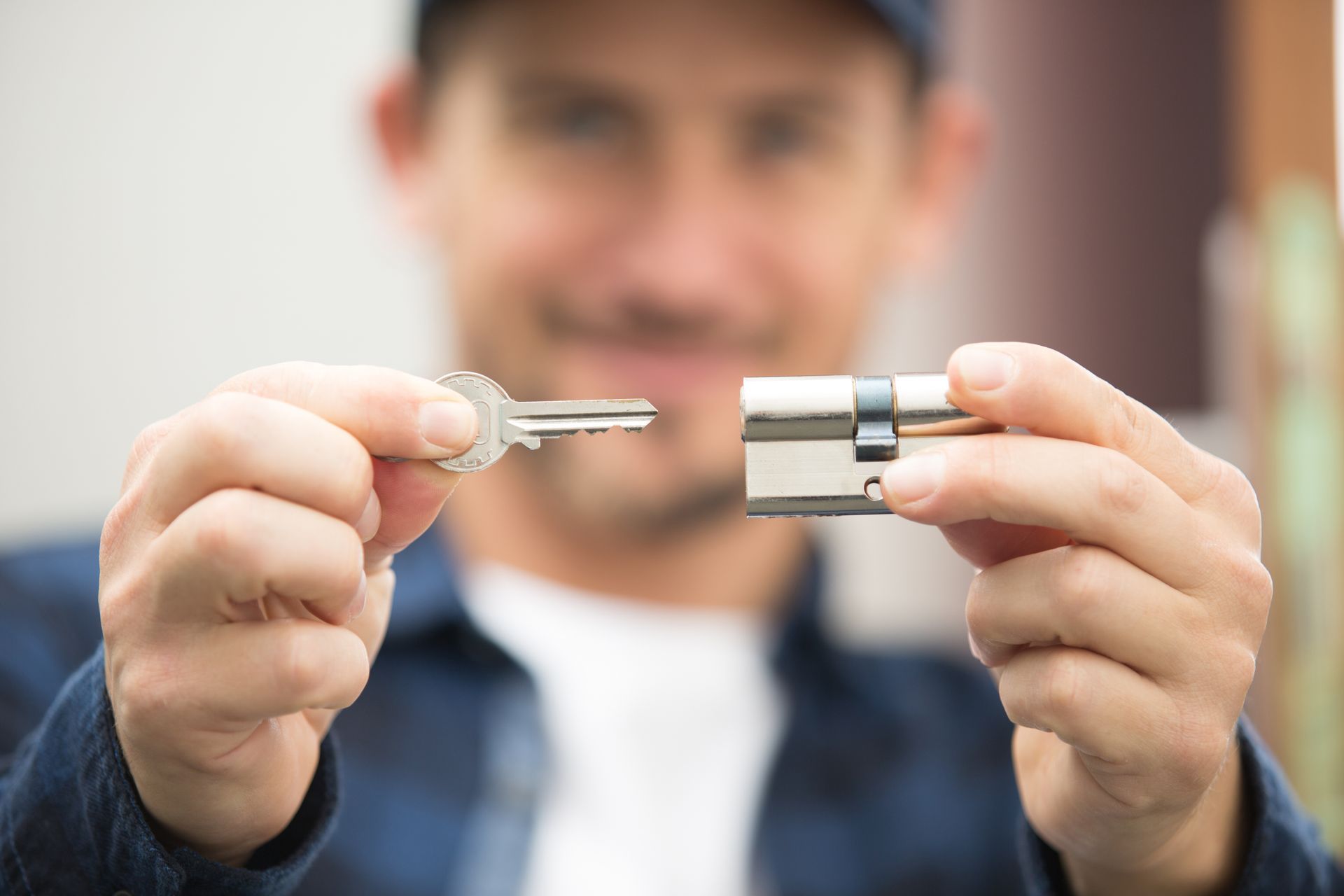
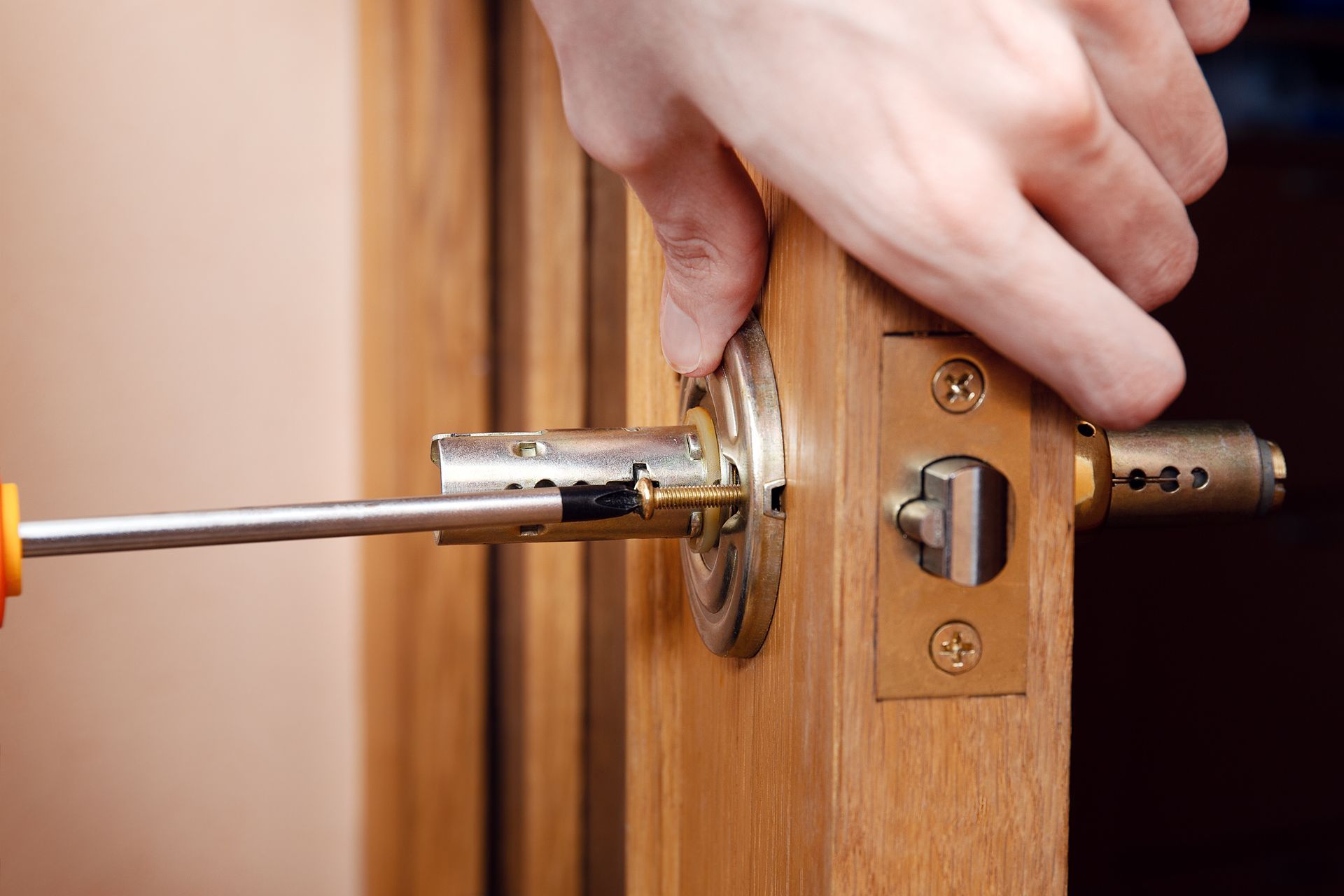
Rekeying changes the internal pin configuration of an existing lock cylinder so that all previous keys no longer work. The hardware stays in place — the deadbolt, the knob or lever, the escutcheon. Only the internal pins and the keys that match them change. A standard front door with a deadbolt and knob or lever involves two cylinders and typically costs $50–$100 for a full rekey, taking under 30 minutes.
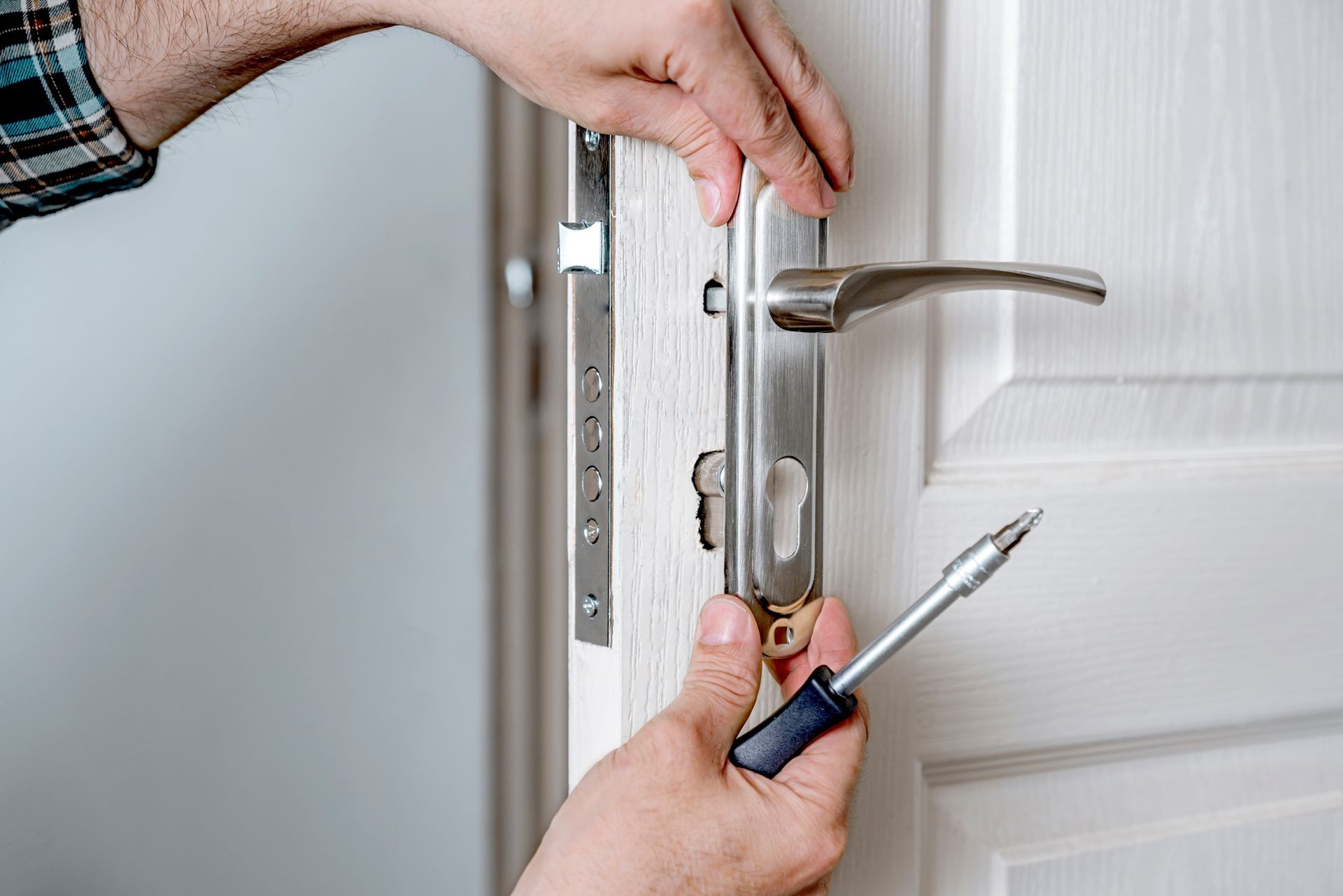
Lock replacement involves removing the entire hardware assembly and installing new hardware. This is warranted when hardware is physically damaged, worn beyond reliable function, or below the required security grade — but it's not what rekeying is for and costs significantly more.
For a new tenancy where the existing hardware is in good condition, rekeying is the correct approach. A locksmith who recommends full lock replacement as the default response to a between-tenancy security need should be questioned.
The Oakland Multi-Unit Building Situation
Oakland's housing stock skews heavily toward multi-unit buildings — Craftsman fourplexes in Temescal, apartment buildings in Fruitvale, converted Victorians in Rockridge, purpose-built multi-family in Berryessa and East Oakland. Managing rekeying across a multi-unit building requires a different approach than a single-family rental.
For multi-unit buildings, the key consideration is the master key system. Many Oakland multi-unit buildings run a system where individual units have their own keys, a building manager holds a master that opens all units, and sometimes a super-master exists for the property owner. Rekeying a departing tenant's unit within this hierarchy changes only the tenant's specific key — the manager's master continues to work.
A locksmith unfamiliar with master key systems may rekey a cylinder in a way that breaks the master key — creating a situation where the building manager can no longer access the unit. Confirm that your locksmith understands master key hierarchy before booking a multi-unit property rekey.
Scheduling Rekeying Around Tenant Turnover
The most common scheduling failure is treating rekeying as something that happens after the new tenant is already in place. The correct approach is to schedule rekeying between the departing tenant's move-out and the new tenant's move-in — ideally on the same day as move-out inspection.
For Oakland property managers with high turnover, a few scheduling approaches work well:
- On-call locksmith with priority access — establish a relationship with a local locksmith who can respond to a same-day or next-day rekeying request when move-out happens. This is the most flexible approach for single-unit landlords.
- Scheduled rekey programs — for property managers handling multiple units, a locksmith who offers scheduled programs can coordinate rekeying across multiple properties tied to your move-out calendar. A single visit covering multiple units on the same property reduces per-unit cost.
- Never carry over — avoid the temptation to let a unit sit without rekeying while you're arranging the new tenancy. The security exposure during the gap is the same as after move-in.
What Rekeying Costs in Oakland
- Per cylinder (deadbolt or knob/lever): $25–$50
- Standard front door (two cylinders): $50–$100
- Full unit rekey (front door + any secondary entries): $75–$150 depending on number of cylinders
- Multi-unit building (same visit, multiple units): Lower per-unit cost — ask for a program rate
For Oakland property managers handling rekeying across multiple units or buildings, scheduled programs priced on a per-unit basis are typically more cost-effective than ad-hoc calls. The baseline cost of getting this right is low. The liability cost of getting it wrong is not.
What Happens to Unreturned Keys
California law does not require tenants to return all copies of keys upon vacating — it requires landlords to ensure security between tenancies. Even if a tenant returns all keys they acknowledge having, there may be copies that were made during the tenancy that were never disclosed. Rekeying renders all of these copies useless regardless of how many exist or who holds them.
This is the core reason rekeying matters: it doesn't depend on a departing tenant's cooperation or honesty. It restores security unconditionally.
For residential locksmith services across all Oakland neighborhoods — including between-tenancy rekeying, multi-unit building programs, and post-break-in hardware upgrades — see our residential locksmith Oakland page.
Rekeying for Oakland Landlords and Property Managers
A-A Lock & Alarm Inc. works with Oakland property managers across Temescal, Rockridge, Fruitvale, Berryessa, and East Oakland. Scheduled rekeying programs, multi-unit building rates, and same-visit availability tied to your move-out calendar. Licensed, bonded, insured.
Call (800) 422-5625 to discuss a managed rekeying program for your Oakland properties.