Commercial Locksmith in San Francisco: What FiDi and SoMa Buildings Actually Need
San Francisco's commercial real estate landscape is more varied than almost any other city in California. A FiDi high-rise with 40 tenants and a building management company has fundamentally different security needs than a SoMa co-working space with hot desks and a revolving membership roster. A Union Square luxury retailer faces different physical security challenges than a Mission District restaurant group operating three locations from a single master key system.
Getting the right commercial locksmith service in San Francisco starts with understanding what your specific property type actually needs — not what's generic to "commercial locksmith services." This guide breaks it down by district.
Financial District: High-Rise Multi-Tenant Office Buildings
The FiDi's office tower stock is among the most security-complex commercial real estate in Northern California. A single building may house 20 to 60 tenants on different floors, with building management needing access to all spaces for maintenance and emergencies, while individual tenants require security from each other.
The security architecture that handles this is a master key system — a hierarchy of keys where grand masters open everything, sub-masters open zones or floors, and individual keys open only the relevant suite. Designing, installing, and maintaining this hierarchy requires a commercial locksmith with specific expertise, not a residential locksmith who also does commercial work.
What FiDi office buildings most frequently need from a commercial locksmith:
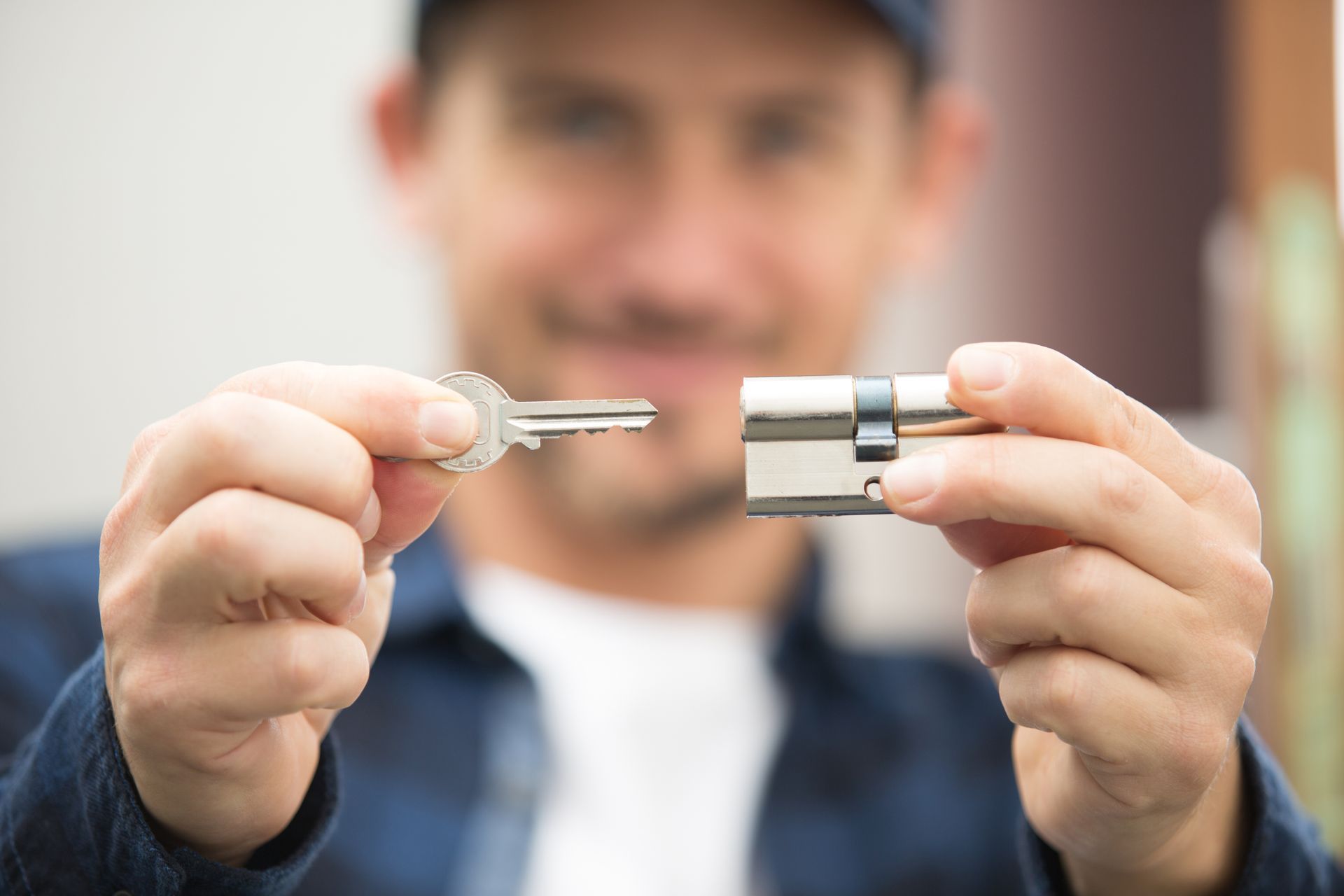
- Tenant rekeying between leases — when a tenant vacates, their suite needs rekeying within the building's master key hierarchy. This is not the same as replacing the lock — rekeying changes the pins so the outgoing tenant's keys no longer work while the building's grand master system remains intact.
- Restricted keyway systems — high-security cylinders with patented keyways prevent tenants from copying their keys at a hardware store, which is a significant risk in multi-tenant buildings where former employees may retain key copies. Medeco, Mul-T-Lock, and ASSA Abloy systems are the standard for this application.
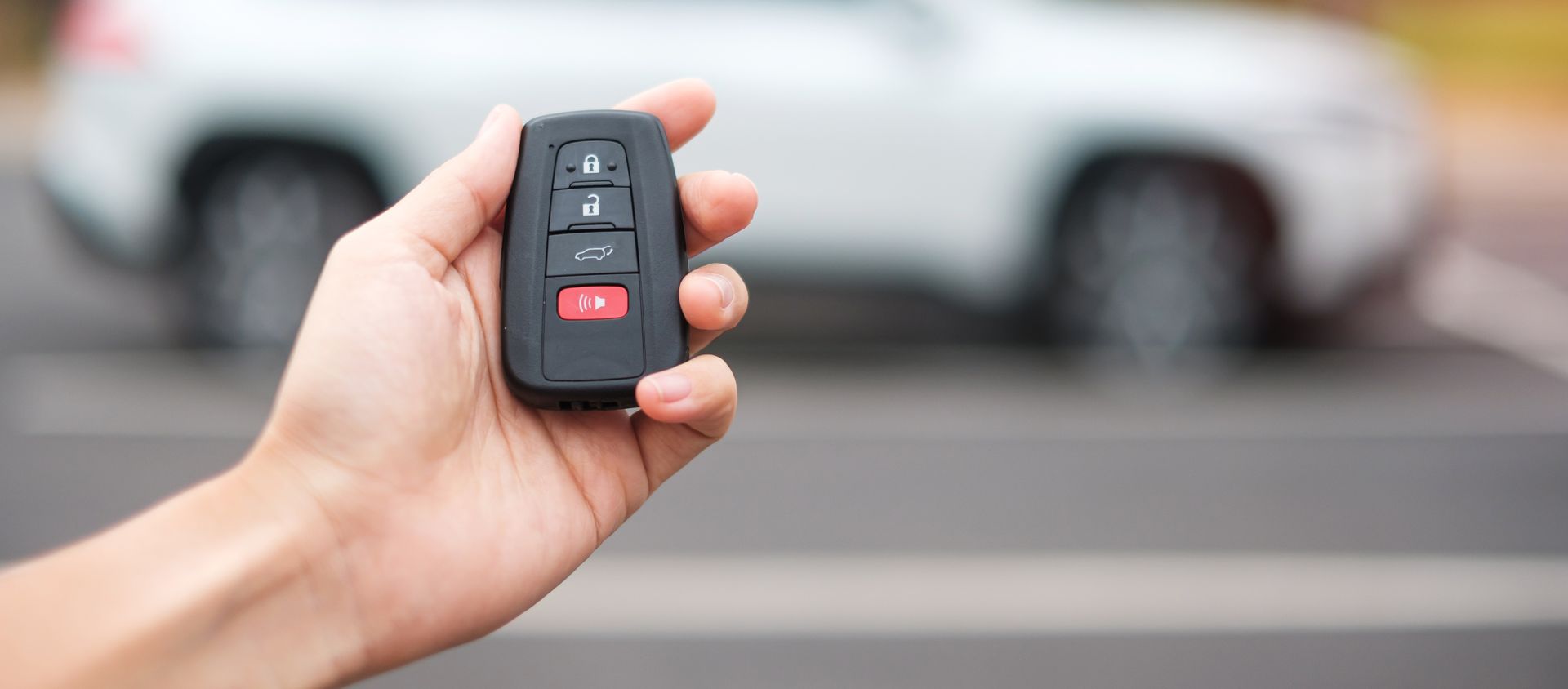
- Access control integration — many FiDi buildings are moving from physical master key systems to electronic access control (card readers, fobs, mobile credentials) on primary entry points. This transition requires a locksmith with expertise in both physical hardware and electronic system compatibility.
SoMa: Co-Working Spaces and Tech Campuses
SoMa's co-working spaces present a different challenge from traditional multi-tenant office buildings. Membership rosters change weekly. Individual members may work at multiple desks or in different areas on different days. Private offices within a shared space need security from the general membership without requiring full rekeying every time someone's membership lapses.
For SoMa co-working operators, the most relevant commercial locksmith services are:
- Electronic access control over physical master keys — the ability to add or revoke credentials without a physical rekeying visit is essential for high-turnover spaces. Smart locks with digital credential management are standard for SoMa co-working entries.
- Audit-capable systems — co-working spaces handling corporate clients or sensitive industries (legal, finance, healthcare sub-tenants) increasingly need entry log capability. Knowing who accessed which space at what time is not a surveillance requirement — it's a liability management tool.
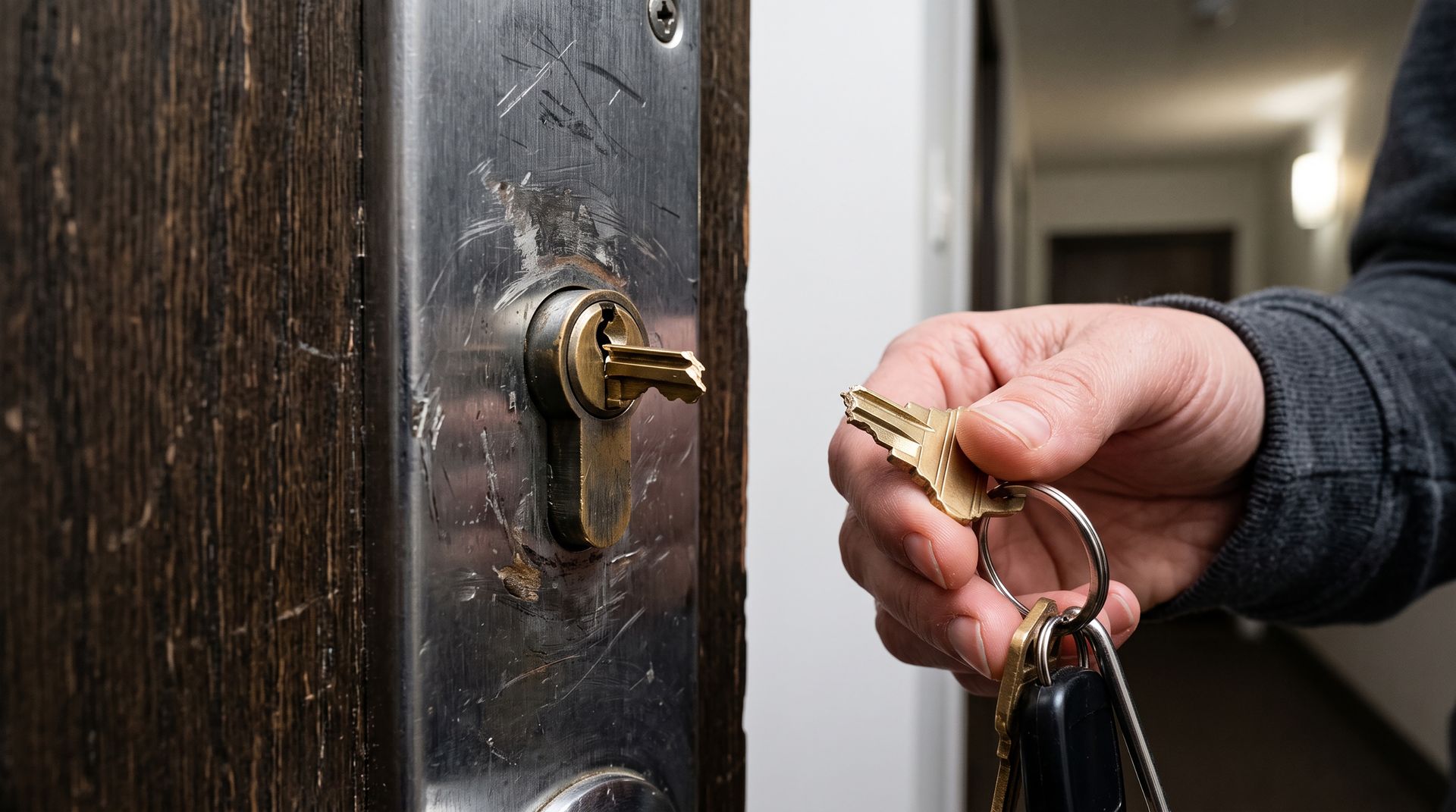
- Commercial lockout coverage — co-working spaces often operate early-morning and late-evening hours. A member locked out of a private office at 7 a.m. or 9 p.m. is a real scenario that needs 24/7 commercial locksmith coverage.
SoMa tech campus note: Larger tech campuses with proprietary access control systems typically have dedicated facilities teams and vendor relationships. For smaller tech offices without that infrastructure, a commercial locksmith who understands both physical and electronic systems is the most cost-effective resource.
Union Square: Retail and Luxury Commercial
Union Square retail operations face the security challenges of high-value merchandise, high staff turnover, after-hours vulnerabilities, and the need to manage access for cleaning services, security staff, and management separately from front-line retail staff.
The relevant commercial locksmith priorities for Union Square retail:
- Staff turnover rekeying programs — retail operations with seasonal staffing or high front-line turnover should treat rekeying as a scheduled process, not an ad-hoc one. Tying rekeying to departure events (rather than waiting for a perceived security incident) is the most cost-effective approach.
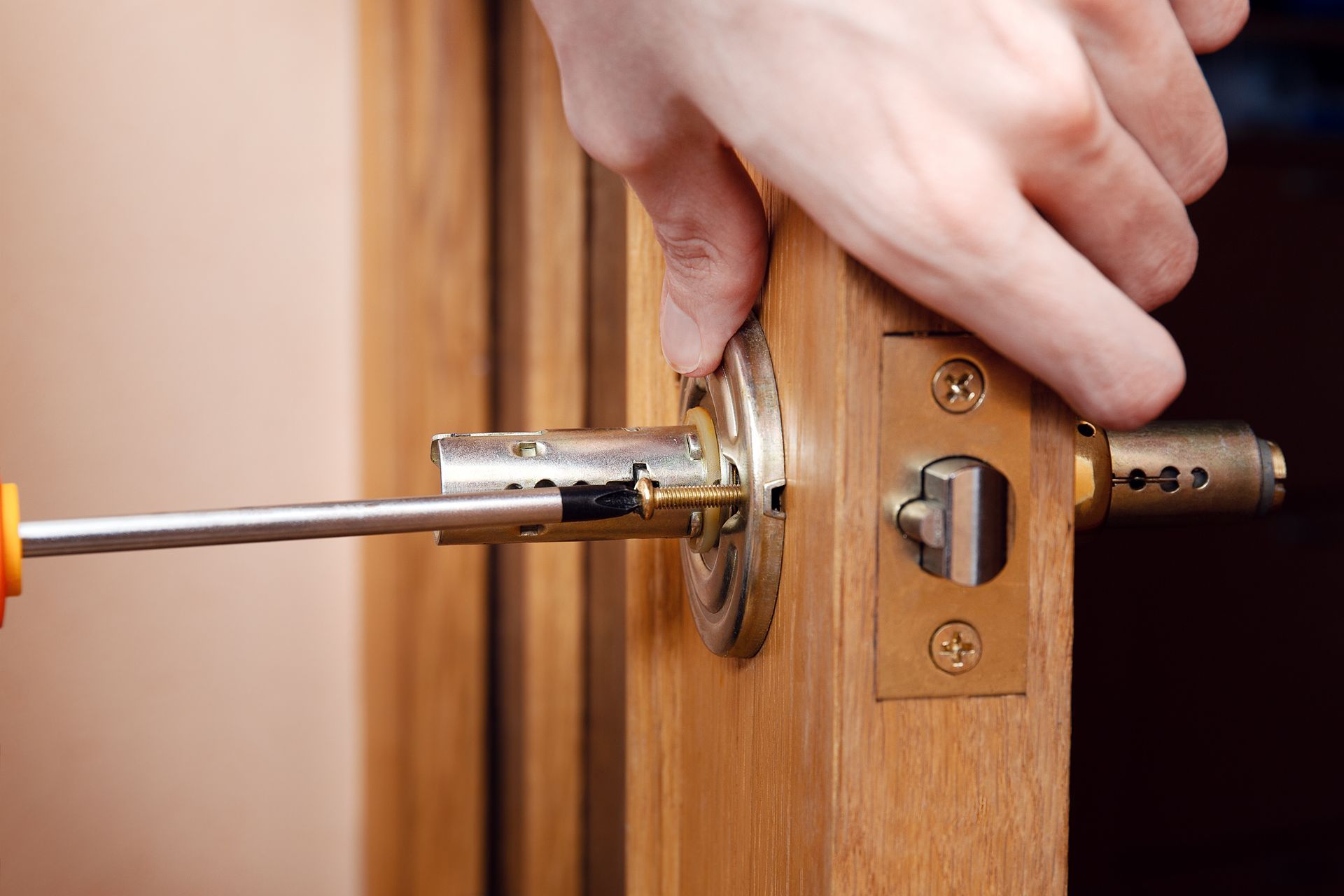
- High-security deadbolts on rear and service entries — retail break-ins in San Francisco overwhelmingly target rear and service entries rather than front entries, which typically have more visible security measures. Grade 1 deadbolts with reinforced strike plates on back-of-house entries address the highest-frequency vulnerability.
- Panic hardware compliance — California commercial occupancy requirements mandate panic hardware on certain egress doors. Recent renovations or use-of-space changes may have created a compliance gap that a commercial locksmith can assess.
Mission District: Restaurants and Small Commercial
The Mission's dense restaurant corridor and small commercial street businesses operate with different locksmith needs than downtown corporate real estate. The relevant factors:
- Cash handling and after-hours security — restaurants and cafes handle cash and are attractive after-hours targets. A high-security deadbolt on the rear entry and a commercial-grade padlock on any external hardware (grease trap covers, HVAC access panels) is a basic security baseline.
- Simple master key systems for multi-unit operators — restaurant groups operating multiple Mission locations often want a single key that works across all properties for the owner or general manager, with location-specific keys for site managers. A simple grand master system is inexpensive to implement and significantly improves operational security.
- Rekeying after staff transitions — restaurant staff turnover in San Francisco is among the highest of any industry. A rekeying schedule tied to kitchen manager or general manager departures (rather than mass rekeying on a calendar) is both more secure and more cost-effective.
What All SF Commercial Properties Have in Common
Regardless of district or property type, several principles apply consistently to commercial locksmith needs in San Francisco:
- Rekeying is almost always cheaper than replacement — if hardware is in good condition, rekeying an existing cylinder costs $25–$75 and takes 15–30 minutes. Full lock replacement is warranted only when hardware is damaged, worn, or below the required security grade.
- Authorized dealer key systems for key control — any SF commercial property where key control matters should use restricted keyways (Medeco, Mul-T-Lock, ASSA Abloy). These prevent unauthorized duplication and provide a documentable key issuance record.
- ANSI Grade 1 is the minimum standard — Grade 3 hardware is designed for residential applications. Commercial primary entries should carry Grade 1 hardware at minimum.
For commercial locksmith services across all San Francisco business districts — FiDi, SoMa, Union Square, Mission, Tenderloin, and the rest of the city — see our commercial locksmith San Francisco page.
Commercial Locksmith Services Across San Francisco
A-A Lock & Alarm Inc. has provided commercial locksmith services to San Francisco businesses for over 60 years — master key systems, access control, commercial rekeying, and 24/7 lockout response. Authorized dealer for Medeco, Mul-T-Lock, and ASSA Abloy.
Call
(800) 422-5625 or visit our
commercial locksmith page.